Finding the Right Dental Implant Provider Close to Home

Location matters more than most people realize when it comes to dental implants. This is not a one-visit procedure. From the initial consultation through placement, healing, and follow-up care, you will be returning to your provider multiple times over several months. Choosing someone conveniently located makes that entire process significantly easier to stay committed to.

What to Look for in a Local Implant Specialist

Proximity alone should never be the deciding factor when choosing a provider for a procedure this important. Patients searching for dental implants near me Pittsburgh PA benefit most when they combine convenience with a careful evaluation of the practice’s qualifications, technology, and patient experience. Here is what that evaluation should actually look like.

Credentials and Experience Should Come First

Before anything else, verify that the provider placing your implants has the training and case volume to back up their work. Dental implants require surgical precision, and a practitioner who performs them regularly develops a level of skill that directly affects your outcome. Look for a provider with documented implant training, relevant certifications, and a willingness to walk you through their experience during the consultation. A confident, transparent provider is almost always a trustworthy one.

Modern Technology Improves Precision and Comfort

Furthermore, the tools a practice uses during implant placement have a direct impact on accuracy, safety, and your overall experience in the chair. Three-dimensional cone beam imaging allows providers to assess bone density and map the exact placement site before any procedure begins. Digital treatment planning reduces guesswork and improves outcomes. When evaluating local providers, ask specifically about the diagnostic and surgical technology they use. A practice that invests in modern equipment is one that takes your results seriously.

Patient Reviews Reveal What Websites Cannot

Another reliable way to assess a local implant provider is by reading genuine patient reviews across multiple platforms. What past patients say about their communication, their comfort during treatment, and the support they received afterward tells you far more than any marketing material ever could. Look for patterns in the feedback rather than focusing on individual comments. Consistently positive reviews about specific qualities such as attentiveness, clarity, and follow-through are strong indicators of a practice worth trusting.

Consultation Quality Sets the Tone for Everything

Finally, the initial consultation is your single best opportunity to evaluate whether a provider is the right fit before committing to anything. A high-quality consultation includes a thorough examination, an honest assessment of your candidacy for implants, a clear explanation of the proposed treatment plan, and a transparent breakdown of costs and timeline. A provider who rushes this process or avoids your questions is telling you something important. Take that information seriously and do not hesitate to consult more than one practice before deciding.

Conclusion: What to Look for in a Local Implant Specialist

Ultimately, finding a great dental implant provider near you comes down to looking beyond convenience and evaluating what truly matters. Verified credentials, advanced technology, honest patient reviews, and a thorough consultation process are the qualities that separate an exceptional local provider from an average one. Take your time, ask the right questions, and choose a practice that earns your confidence before you ever sit in the treatment chair. Your smile deserves nothing less.

Tree Removal in Atlanta Is Not a Job for Guesswork

Atlanta’s landscape is defined by its trees, and that is largely what makes it such a beautiful city to live in. But trees that are diseased, storm-damaged, or simply growing in the wrong place can quickly shift from an asset to a liability. When that happens, professional tree removal is not just a convenience. It is a necessary step in protecting your property, your family, and the trees around it.

What Atlanta Homeowners Should Know Before Removing a Tree

Tree removal is a decision that benefits from the right information and the right team behind it. Homeowners who connect with a qualified provider for tree removal Atlanta GA consistently find that working with experienced professionals makes the entire process safer, faster, and far less stressful than attempting to manage it any other way. Here is what every Atlanta property owner should understand going in.

Atlanta’s Tree Canopy Creates Unique Removal Challenges

First and foremost, removing a tree in Atlanta presents specific challenges that differ from other regions. The city’s dense urban canopy means trees are frequently growing in close proximity to structures, fencing, utility lines, and neighboring properties. These tight spacing demands a level of precision and planning that goes well beyond simply cutting a tree down. Experienced local crews understand how to work within these constraints safely, using rigging techniques and carefully sequenced cuts that control exactly where each section of the tree falls.

Permits May Be Required Before Work Begins

Furthermore, Atlanta and many of its surrounding municipalities have ordinances that regulate the removal of trees above a certain size, particularly on residential properties. Removing a protected tree without the appropriate permit can result in significant fines and legal complications. A reputable local tree removal company stays current with these regulations and can guide you through the permitting process before any work begins. 

Recognizing When a Tree Needs to Come Down

Not every damaged or declining tree needs to be removed, which is why a professional assessment is so valuable before making a final decision. Signs that removal is likely necessary include a trunk that is more than fifty percent hollow or decayed, a significant lean that has developed suddenly, major root damage caused by construction or soil erosion, and large dead branches distributed throughout the canopy. 

What a Professional Removal Job Actually Includes

A thorough tree removal service goes well beyond cutting the trunk and leaving. Reputable providers conduct a full site assessment before beginning work, communicate a clear removal plan, protect surrounding structures and landscaping throughout the process, and handle complete debris removal once the job is done. Some providers also offer stump grinding as part of the service or as an add-on, which is worth confirming upfront. Knowing exactly what is included before agreeing to any work protects you from incomplete jobs and unexpected additional costs.

Conclusion: What Atlanta Homeowners Should Know Before Removing a Tree

Removing a tree in Atlanta requires local knowledge, proper permitting, genuine expertise, and a team committed to doing the job completely and safely. Understanding what the process involves and what to expect from a qualified provider puts you in the strongest possible position before work ever begins. Take the time to choose a crew with the experience and professionalism your property deserves, and approach the project with the confidence that comes from being fully prepared.

How Commercial Electrical Contractors Keep Businesses Running Smoothly

Running a commercial property comes with a long list of responsibilities, and the electrical systems powering that property sit near the top of the list. When those systems are installed correctly, maintained properly, and upgraded on schedule, everything else in your operation runs more smoothly. When they are not, the consequences can be costly, disruptive, and even dangerous.

The Standard Your Business Deserves

Commercial electrical work requires a level of precision and accountability that goes well beyond what most property owners realize. From the moment a project begins to the final inspection, every decision a contractor makes affects the safety and performance of your facility for years to come. When your business depends on reliable power, commercial electrical contractors Charleston SC professionals bring the expertise and standards your operation genuinely needs.

Commercial Projects Demand Specialized Knowledge

A commercial electrical contractor handles a fundamentally different scope of work than a residential electrician. Office buildings, retail spaces, warehouses, and medical facilities each carry unique electrical demands, load requirements, and code compliance obligations. Experienced commercial contractors understand how to design and install systems that match the specific needs of each space, whether that means handling three-phase power distribution, installing energy management systems, or coordinating with other trades during a large-scale build-out.

Code Compliance Protects Your Business Long Term

Every commercial electrical installation must meet local, state, and national codes, and staying current with those requirements is a full-time responsibility in itself. A qualified commercial electrical contractor does not just meet the minimum standard. They build systems that hold up under inspection, satisfy insurance requirements, and reduce liability exposure for property owners and business operators. Cutting corners on compliance might save money upfront, but the penalties, delays, and risks that follow rarely make it worth it.

Reliable Contractors Communicate Clearly Throughout the Project

One quality that separates truly professional commercial contractors from the rest is consistent, transparent communication. Commercial projects often involve tight schedules, multiple stakeholders, and budget constraints that require careful coordination at every stage. A contractor who keeps you informed about timelines, flags potential issues early, and delivers honest assessments of what a project requires earns trust in a way that technical skill alone cannot. Clear communication is what turns a competent contractor into a long-term partner your business can rely on.

Upgrading Aging Systems Is a Smart Business Investment

Many commercial properties continue operating with outdated electrical infrastructure that no longer matches the demands placed on it. Older panels, insufficient capacity, and deteriorating wiring create inefficiencies and safety risks that quietly drain resources over time. A skilled commercial electrical contractor assesses your current systems honestly and recommends upgrades that improve performance, reduce energy costs, and extend the lifespan of your equipment. Proactive investment in your electrical infrastructure consistently pays off in fewer disruptions and lower long-term operating costs.

Conclusion: The Standard Your Business Deserves

To pull it all together, the right commercial electrical contractor brings specialized knowledge, strict code compliance, transparent communication, and a forward-thinking approach to the infrastructure your business depends on. These qualities are not optional extras in commercial electrical work. They are the baseline for any contractor genuinely committed to protecting your property and supporting your operation. Take the time to choose a contractor who meets this standard, and your business will benefit from that decision for years to come.

Why So Many People Are Rethinking Dentures Today

Dentures have come a long way from the uncomfortable, ill-fitting appliances of previous generations. Modern denture technology has transformed what patients can expect from removable tooth replacement, both in terms of aesthetics and everyday function. If you have been putting off addressing tooth loss because of outdated assumptions about dentures, it may be time to take a much closer look at what is actually available today.

Modern Dentures Are Not What You Remember

The conversation around tooth replacement has shifted significantly in recent years, and patients are discovering solutions that genuinely fit their lives. Those connecting with a provider for dentures Raleigh NC are finding that today’s options are more comfortable, more natural-looking, and more functional than anything previous generations experienced. Here is what modern denture treatment actually involves.

Fit and Comfort Have Improved Dramatically

One of the biggest complaints about traditional dentures was poor fit, leading to slipping, soreness, and difficulty eating. Contemporary denture fabrication uses precise digital measurements and high-quality materials that conform far more accurately to the unique contours of each patient’s mouth. Custom-fitted dentures distribute bite pressure more evenly, reduce irritation along the gumline, and stay securely in place during normal daily activities. The difference in comfort between older and modern dentures is significant enough that many patients who previously gave up on them are returning to explore new options.

Aesthetics Now Closely Mirror Natural Teeth

Furthermore, the appearance of modern dentures has advanced to a level that makes them virtually indistinguishable from natural teeth in everyday settings. Dental technicians now work with materials and shade-matching techniques that replicate the translucency, texture, and natural variation of real teeth. Gum-colored bases are crafted to complement each patient’s unique tissue tone. The result is a smile that looks genuinely natural rather than artificial, which makes an enormous difference to patients who were previously self-conscious about the obvious appearance of traditional appliances.

Implant-Supported Options Add a New Level of Stability

Another development worth understanding is the growing availability of implant-supported dentures, which combine the coverage of a full denture with the stability of dental implants. Rather than resting on the gums and relying on adhesives, these appliances snap onto implant posts anchored in the jawbone. The result is a denture that stays firmly in place during eating and speaking, eliminates the need for messy adhesives, and helps preserve the jawbone structure that conventional dentures allow to deteriorate over time. For eligible patients, this option represents a meaningful upgrade in quality of life.

The Adjustment Period Is Shorter Than Most Expect

Finally, many prospective denture patients worry about how long it will take to adapt to wearing them comfortably. While there is always an initial adjustment period involving minor speech changes and getting used to the feel of the appliance, most patients adapt within a few weeks. Working closely with your provider during this period ensures that any fit issues are addressed promptly, and minor adjustments can make a substantial difference in how quickly you feel at ease. Patience during the early weeks pays off considerably in the long run.

Conclusion: Modern Dentures Are Not What You Remember

Today’s dentures offer comfort, aesthetics, and stability that would have seemed remarkable just a generation ago. Whether you are considering conventional, custom-fitted dentures or exploring implant-supported options, the solutions available now are genuinely worth your attention. Do not let outdated assumptions prevent you from taking a step that could restore your smile, your confidence, and your ability to enjoy everyday life without limitation.

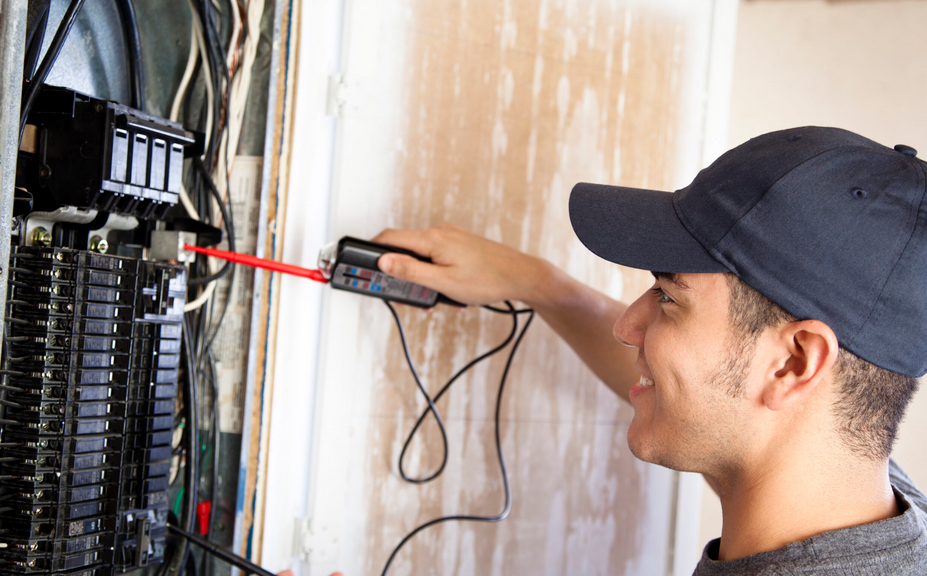
Verifying the Credentials of an Electrical Contractor Before You Hire 

Hiring an electrical contractor isn’t something to take lightly. Whether you’re planning a major renovation or simply need to update your breaker panel, you want someone skilled, safe, and reliable. A licensed and qualified electrician can give you peace of mind and help avoid costly mistakes. But how can you be sure that the contractor you’re hiring has the right credentials? Don’t worry, we’ve got you covered. 

How to Verify the Credentials of an Electrical Contractor 

Here’s a simple guide to help you verify the credentials of an electrical contractor Charleston SC before signing any contracts. 

Start with a Valid License 

First and foremost, ask for the contractor’s license. A legitimate electrical contractor should be fully licensed by the state or local government. Licensing ensures that they’ve met the required training and passed exams to perform electrical work safely and legally. 

It’s not enough to just see the license, verify it. Most states have online databases where you can enter the contractor’s license number and confirm their status.  

Check for Insurance Coverage 

Even the most experienced contractors can encounter unexpected problems on the job. That’s why insurance is a must. A reputable electrical contractor should carry two key types of insurance: general liability and workers’ compensation. 

General liability protects your property if the contractor accidentally causes damage. Workers’ comp covers injuries if someone gets hurt on your property during the job. Ask for a copy of their insurance certificate, and don’t hesitate to contact the insurer directly to make sure it’s still active. 

Ask About Certifications and Training 

Beyond a license, many electricians pursue specialized certifications. These show they’ve gone above and beyond the basics. Certifications from the National Electrical Contractors Association (NECA), Independent Electrical Contractors (IEC), or the International Brotherhood of Electrical Workers (IBEW) are good signs. 

In addition, electricians often attend ongoing training to stay updated on electrical codes, safety standards, and the latest technologies.  

Look Into Their Experience and Reputation 

Credentials are important, but so is real-world experience. Ask how long the contractor has been in business and whether they’ve handled similar projects. Longevity in the field often reflects reliability and quality work. 

You should also check out reviews on platforms like Google, Yelp, or Angi. While one or two negative reviews aren’t necessarily a dealbreaker, repeated complaints about safety, communication, or incomplete jobs are clear warning signs. Don’t forget to ask for references, too. A trustworthy contractor will gladly provide them. 

Confirm They Follow Local Codes and Permits 

Each city or county may have specific electrical codes and permit requirements. A qualified contractor will be familiar with your area’s rules and will know when a permit is needed. In fact, if a contractor tells you not to worry about permits, that’s a major red flag. 

Always confirm that the contractor is willing to pull permits when necessary and schedule inspections. 

Conclusion: How to Verify the Credentials of an Electrical Contractor 

Choosing the right electrical contractor doesn’t have to be stressful. Taking the time to vet their credentials upfront can save you money, time, and a lot of headaches down the road. 

So, before you hire, do your homework. Your home and your safety are worth it.