
Finding the Right Dental Implant Provider Close to Home
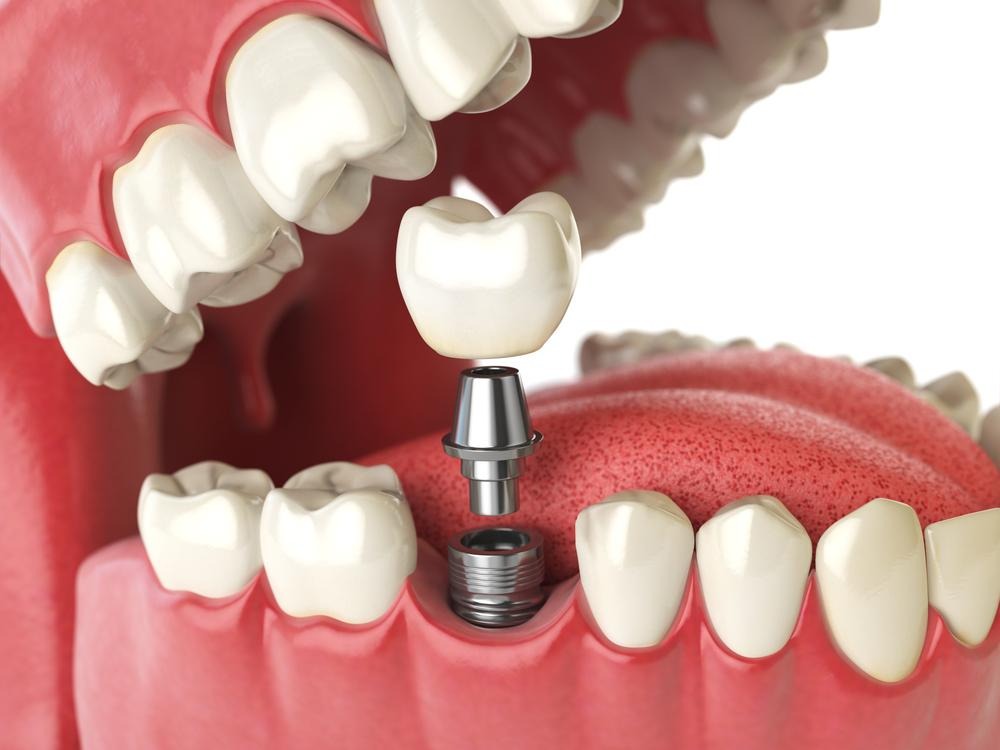
Location matters more than most people realize when it comes to dental implants. This is not a one-visit procedure. From the initial consultation through placement, healing, and follow-up care, you will be returning to your provider multiple times over several months. Choosing someone conveniently located makes that entire process significantly easier to stay committed to.
What to Look for in a Local Implant Specialist
Proximity alone should never be the deciding factor when choosing a provider for a procedure this important. Patients searching for dental implants near me Pittsburgh PA benefit most when they combine convenience with a careful evaluation of the practice’s qualifications, technology, and patient experience. Here is what that evaluation should actually look like.
Credentials and Experience Should Come First
Before anything else, verify that the provider placing your implants has the training and case volume to back up their work. Dental implants require surgical precision, and a practitioner who performs them regularly develops a level of skill that directly affects your outcome. Look for a provider with documented implant training, relevant certifications, and a willingness to walk you through their experience during the consultation. A confident, transparent provider is almost always a trustworthy one.
Modern Technology Improves Precision and Comfort
Furthermore, the tools a practice uses during implant placement have a direct impact on accuracy, safety, and your overall experience in the chair. Three-dimensional cone beam imaging allows providers to assess bone density and map the exact placement site before any procedure begins. Digital treatment planning reduces guesswork and improves outcomes. When evaluating local providers, ask specifically about the diagnostic and surgical technology they use. A practice that invests in modern equipment is one that takes your results seriously.
Patient Reviews Reveal What Websites Cannot
Another reliable way to assess a local implant provider is by reading genuine patient reviews across multiple platforms. What past patients say about their communication, their comfort during treatment, and the support they received afterward tells you far more than any marketing material ever could. Look for patterns in the feedback rather than focusing on individual comments. Consistently positive reviews about specific qualities such as attentiveness, clarity, and follow-through are strong indicators of a practice worth trusting.
Consultation Quality Sets the Tone for Everything
Finally, the initial consultation is your single best opportunity to evaluate whether a provider is the right fit before committing to anything. A high-quality consultation includes a thorough examination, an honest assessment of your candidacy for implants, a clear explanation of the proposed treatment plan, and a transparent breakdown of costs and timeline. A provider who rushes this process or avoids your questions is telling you something important. Take that information seriously and do not hesitate to consult more than one practice before deciding.
Conclusion: What to Look for in a Local Implant Specialist
Ultimately, finding a great dental implant provider near you comes down to looking beyond convenience and evaluating what truly matters. Verified credentials, advanced technology, honest patient reviews, and a thorough consultation process are the qualities that separate an exceptional local provider from an average one. Take your time, ask the right questions, and choose a practice that earns your confidence before you ever sit in the treatment chair. Your smile deserves nothing less.

Recent Comments