
How a Commercial Remodel Does More Than Refresh a Space
A commercial renovation is rarely just about aesthetics. When a business invests in remodeling its physical environment, the returns extend well beyond updated finishes and a fresher appearance. The way a commercial space looks, flows, and functions has a direct and measurable influence on how customers experience the business, how employees perform within it, and how effectively the space supports the operation it was designed to house.
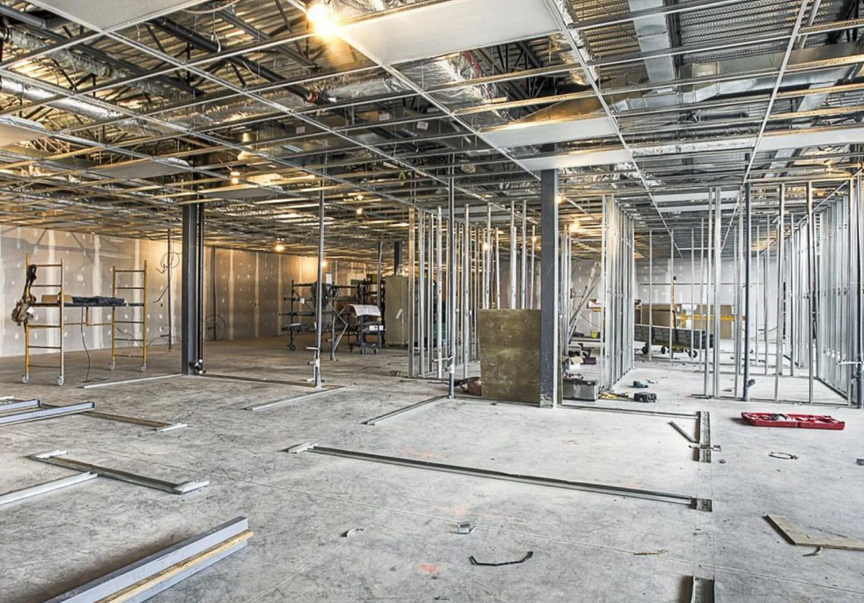
Your Physical Space Communicates Before Anyone Says a Word
A business environment sends a message to every person who walks through the door before a single interaction takes place. Companies ready to ensure that message reflects their standards and ambitions partner with experienced commercial remodeling Marietta GA contractors who understand that a well-executed commercial renovation is a direct investment in business performance rather than simply a property improvement.
Customer First Impressions Are Formed in Seconds and Last Indefinitely
To begin with, research on consumer behavior consistently confirms that customers form lasting impressions of a business environment within the first few seconds of entering it. Worn flooring, dated finishes, poor lighting, and a layout that feels cramped or confusing all register immediately and negatively, creating a perception of the business that affects purchasing decisions, return visit likelihood, and word of mouth recommendations in ways that are difficult to quantify but impossible to ignore.
Functional Layout Improvements Drive Measurable Operational Efficiency
Furthermore, many commercial spaces were designed for operational realities that no longer match how the business actually functions today. Workflows that made sense when the business was smaller or structured differently now create friction, inefficiency, and bottlenecks that cost time and money with every passing workday. A commercial remodel presents the opportunity to reconfigure the physical environment around current operational needs, improving traffic flow, optimizing workspace adjacencies, updating technology infrastructure, and creating the functional conditions that allow staff to work more efficiently and serve customers more effectively.
Employee Environment Directly Influences Retention and Performance
Another dimension of commercial remodeling that forward-thinking business owners increasingly recognize as a primary driver of renovation decisions is the direct relationship between physical work environment quality and employee satisfaction, performance, and retention. Workspaces that are uncomfortable, poorly lit, inadequately ventilated, or simply uninspiring communicate to employees that their daily experience is not a priority for the organization. Conversely, a thoughtfully remodeled work environment that prioritizes comfort, functionality, natural light, and aesthetic quality signals genuine investment in the people who show up every day to make the business work.
Phased Remodeling Allows Business Continuity Throughout the Project
Finally, one of the practical realities that distinguishes commercial remodeling from residential work is the imperative to maintain business operations throughout as much of the construction process as possible. A commercial remodeling contractor with genuine experience in occupied business environments understands how to sequence work in phases that keep revenue-generating areas functional while renovation progresses through the space systematically.
Conclusion: Your Physical Space Communicates Before Anyone Says a Word
To wrap it all up, a commercial remodel is an investment in customer perception, operational efficiency, employee satisfaction, and business continuity that delivers returns well beyond the aesthetic improvement it produces on the surface. The physical environment a business occupies is not a passive backdrop to the work that happens within it. It is an active participant in every customer interaction, every employee experience, and every operational outcome the business produces.

Recent Comments